High street or mall: which format suits your Noida retail brand
Open high-streets and enclosed malls serve different shopping behaviours and tenant types. Here's how to choose, with examples from Noida's formats.
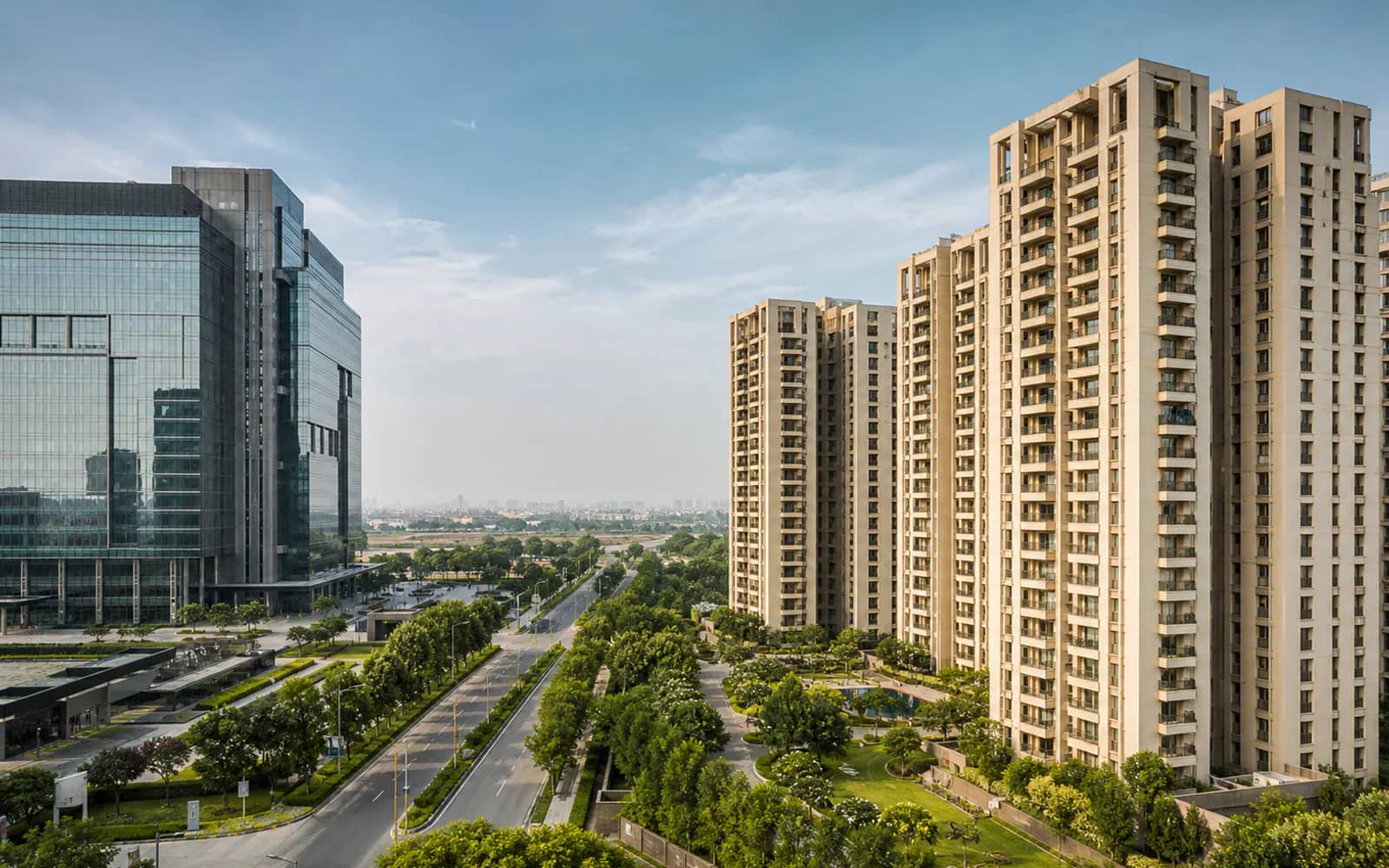
A brand's lease decision hinges on footfall pattern, operating model, and category fit. High-streets and malls are not interchangeable.
High-streets suit indie, café and experience brands with flexible hours and ambient appeal. Malls suit anchored, family-destination shopping with climate control and extended dwell time. Category mix, frontage visibility and operating costs differ sharply.
How footfall patterns differ
High-streets generate intentional, often repeat footfall. A shopper walks for the experience, browses multiple small formats, stops for coffee. Malls generate destination footfall: families visit to spend 3-4 hours, anchor stores (cinema, food court, electronics) pull traffic, and internal circulation routes shoppers past secondary tenants.
Open high-streets depend on weather and time-of-day behaviour. Morning and evening foot traffic peaks near cafes and quick-bite vendors. Malls, climate-controlled and anchored, sustain footfall across all hours and seasons. M3M's project material describes The Avenue at The Cullinan as a walkable, all-day social scene, while The Emporium functions as a destination anchor complex. DLF Mall of India in Sector 18, the established enclosed-mall benchmark in Noida, operates on the same principle: controlled environment, high dwell time, family-centric anchors.
Frontage, visibility and category fit
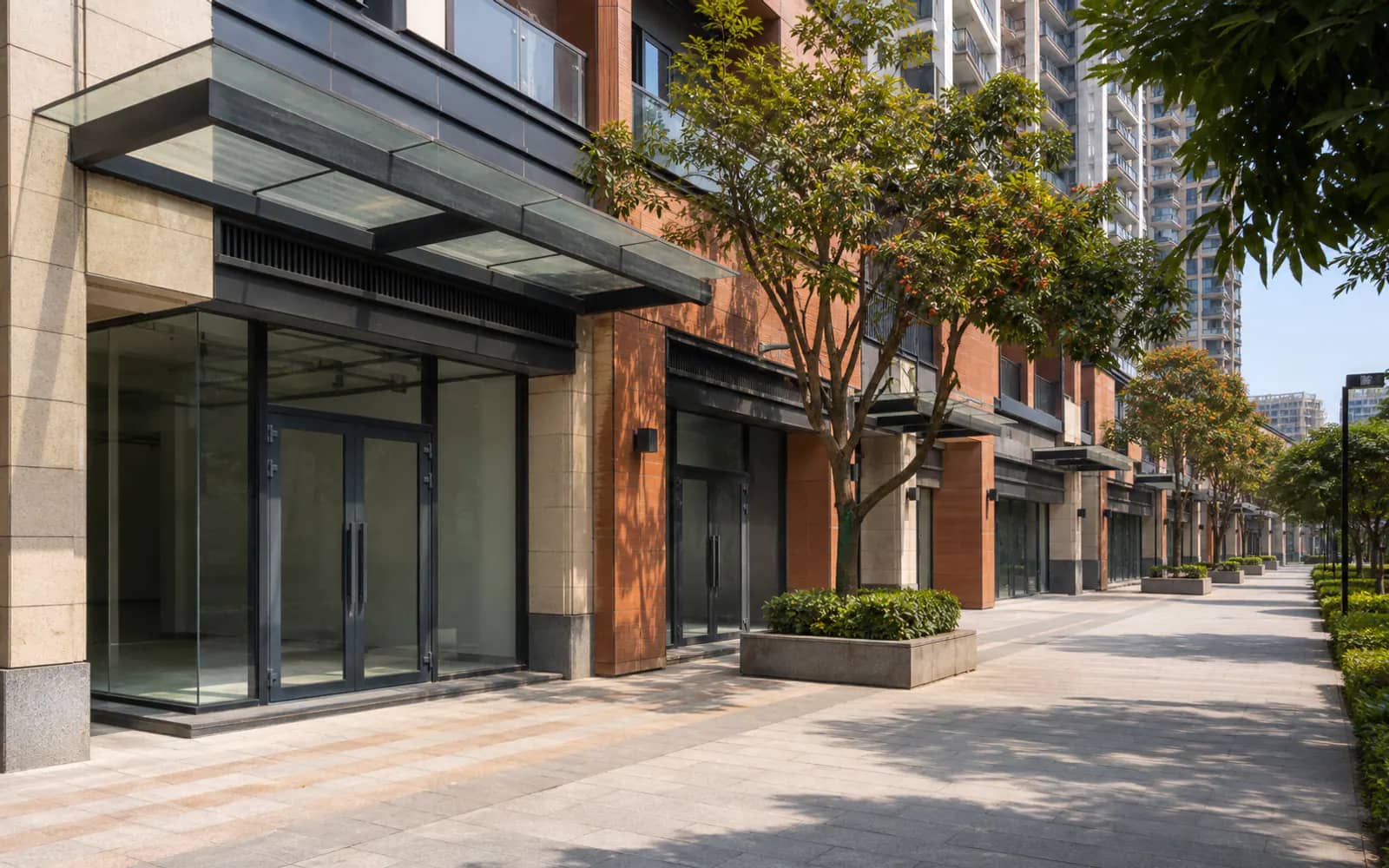
High-streets prize street frontage. Every unit faces outward. Visibility, window display and walk-by discovery matter more than location within the building. These formats suit indie fashion, art galleries, boutique cafes, artisanal food, wellness studios and experiential brands--categories that benefit from casual discovery and intimate scale.
Malls concentrate premium frontage at anchor zones and main corridors. Secondary retail faces internal passages or courts. Malls suit family-utility (electronics, home, fashion multiples), food courts, jewellery, watches, premium multi-brand outlets and entertainment anchors. M3M's project material notes The Emporium includes 30+ international bridge-to-luxury brands in a dedicated corridor, family-utility anchors, a 5-screen multiplex and dining formats--all relying on interior circulation and anchor traffic. High-street formats like M3M The Line in Sector 72 work for smaller, independent retail and studio space where frontage visibility drives footfall.
Operating costs and hours
High-streets typically carry lower fit-out costs. A boutique or cafe can open a unit with modest build-out and run flexible hours. Operating costs (utilities, common area maintenance) are shared but lower per unit because the model does not fund large anchors or HVAC systems. Rents reflect this: broadly lower entry cost, but per-sq-ft rates vary by location and footfall.
Malls require higher tenant fit-out investment and carry higher common area costs (AMC). Extended operating hours, climate control and anchor-tenant management drive overhead. Rents are typically structured as base rent plus a revenue-share or CAM, and premium for anchor adjacency. Tenants expect standardised hours, uniform aesthetics and professional security--suited to national brands and large-format operators. A cafe in a high-street can open at 7 a.m. and close at 9 p.m.; in a mall, it opens when the mall opens and closes when it closes.
Category mix and tenant ecosystem
High-streets thrive on eclecticism. A designer boutique next to a vintage bookshop next to a craft studio creates an ambiance that drives footfall. Indie and artisanal tenants cluster in these formats because they value autonomy, visual distinction and a curated, non-commercial atmosphere. The Avenue at The Cullinan, per M3M's material, targets indie designers and boutique brands within a cafe-led social scene--a format that rewards discovery over destination shopping.
Malls depend on category anchor diversity and established brands. A cinema anchors entertainment. Electronics and home anchors family utility. Jewellery and watches anchor premiumization. Restaurants extend dwell time. Tenants are vetted for brand equity and traffic-pulling power. Luxury malls like The Emporium (M3M describes it as inspired by world-leading luxury malls) anchor on international designers and high-ticket categories; family malls like DLF Mall of India in Sector 18 anchor on national chains, multiplexes and food courts.
How to decide: practical steps
As a tenant or investor, audit your brand's category, target customer and operating model. If you are indie fashion, food or wellness, ask: do you thrive on walk-by discovery and flexible hours? Do you want design autonomy and a curated, non-commercial ambiance? High-streets are your model. If you are a national brand, anchor-dependent (cinema, electronics, jewellery) or require extended hours and climate-controlled traffic, malls fit your unit economics.
For Noida, visit both formats in person. Walk The Avenue and The Emporium at The Cullinan (Sector 94, on the Noida-Greater Noida Expressway); visit DLF Mall of India in Sector 18 to benchmark an established enclosed mall. Check tenant rosters, dwell time, peak-hour footfall, and category adjacency. Request rental rate sheets, CAM structures and lease term options from the leasing team. Ask for signed-tenant data, occupancy rates and category-mix breakdown. No number is meaningful without context: occupancy in a high-street and occupancy in a mall serve different business models and cannot be compared directly.
Project specifics are as published by their developers. Lease terms, areas and charges vary by unit and by agreement: verify registration and project status on the UP RERA portal and have any lease reviewed before you sign.